
The Ultimate Guide to Anodized Aluminum Profiles: Durability, Applications, and Market Insights for 2026
In an era where modern architecture demands both visual elegance and structural resilience, the anodized aluminum profile has emerged as a non-negotiable standard. Unlike ordinary finished metals that merely coat the surface, anodizing transforms aluminum into a material with a surface that is virtually part of the metal itself. As we move through 2026, the global appetite for these profiles is surging, driven by green building certifications and the need for materials that withstand the test of time without losing their luster.
Whether you are specifying materials for a coastal façade or designing high-end consumer electronics, understanding the technical nuances of perfil aluminio anodizado is crucial. This guide cuts through the technical jargon to deliver actionable insights, comparing finishing methods, breaking down the manufacturing process, and revealing why this material is dominating market forecasts.
What Exactly is an Anodized Aluminum Profile? (And Why It Matters)
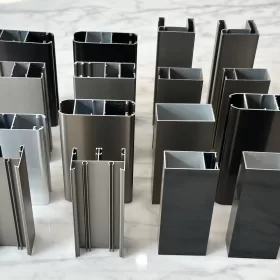
At its core, an anodized aluminum profile is an extruded aluminum product that has been subjected to an electrochemical process to thicken the natural oxide layer on its surface . While "mill finish" aluminum is raw and susceptible to corrosion, anodizing acts as a forced armor.
The Electrochemical Transformation
The process is not merely a coating; it is a transformation. The aluminum profile is submerged in an electrolyte bath (typically sulfuric acid), and an electric current is passed through. This causes the surface to oxidize, creating a layer of aluminum oxide. This layer is incredibly hard—often compared to sapphire for its resistance to wear . Crucially, because this layer is grown from the base metal, it cannot peel or flake off like paint .
The "Integral" Advantage
For architects and engineers searching for perfil aluminio anodizado, the primary draw is this "integral" finish. Where traditional finishes rely on adhesion, anodizing relies on conversion. The result is a material that maintains its structural integrity even when scratched, as the finish runs deep into the profile, preventing the need for constant touch-ups or expensive maintenance cycles.
H2: Superior Performance Metrics: Why Specifiers Choose Anodized Finishes
When selecting materials for long-term projects, performance metrics outweigh upfront costs. Anodized aluminum profiles consistently outperform traditional coatings in several key areas.
H3: Unmatched Corrosion and Weather Resistance
The primary enemy of building materials is elemental exposure. Anodized profiles excel in environments where salt spray, industrial pollutants, and moisture are prevalent. The thick oxide layer acts as a barrier that is chemically stable and non-conductive. According to industry standards, for outdoor applications, a minimum anodizing thickness of 15 to 25 microns is recommended to ensure long-term protection against UV degradation and weathering, particularly in coastal regions . Unlike powder coating, which can trap moisture if chipped, the anodized layer remains inert and protective.
H3: Surface Hardness and Abrasion Resistance
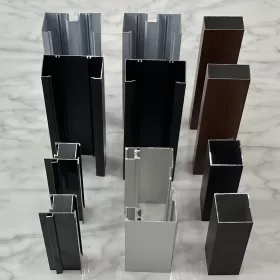
In high-traffic industrial settings or public infrastructure, surface wear is a critical concern. Anodizing significantly increases the surface hardness of the profile. This makes it resistant to scratches, dings, and the general abrasion that occurs in machinery frames, handrails, and conveyor systems . This hardness ensures that the aesthetic appeal of the profile—whether it is a subtle bronze or a vibrant green—remains intact for decades.
H3: UV Stability and Colorfastness
One of the most frustrating issues with painted aluminum is "chalking" or fading under intense sunlight. Because anodized colors are created through the deposition of metallic salts within the oxide layer (or through integral coloring processes), the finish is inherently UV stable. The color will not fade because it is not an organic coating sitting on top of the metal; it is part of the metal's structure .
H2: The Manufacturing Journey: From Raw Billet to Precision Profile
Understanding how a perfil aluminio anodizado is made helps in appreciating its value. It is a journey of precise metallurgy and chemical engineering.
H3: Extrusion and Aging
The journey begins with aluminum billets, which are heated to approximately 440-450°C. These are forced through a steel die to create the desired shape—whether hollow, solid, or U-shaped . After extrusion, the profiles undergo stretching to straighten them and then artificial aging in thermal ovens to achieve the required mechanical properties (T5 or T6 tempers).
H3: The Anodizing Line: Cleaning, Etching, and Sealing
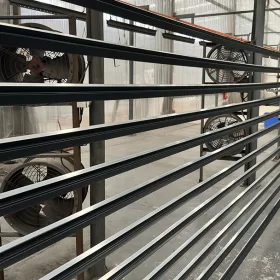
Once extruded, the profiles enter the anodizing plant. The first step is pretreatment: acid or alkali solutions remove dirt and grease. An etching process follows to create a uniform matte surface, removing minor imperfections. The profiles are then submerged in the anodizing tanks. After the oxide layer is built, a critical step called sealing occurs. The porous nature of the new oxide layer is closed through a hot water or chemical process, trapping the color and ensuring the profile is stain-resistant and fully protected . Quality control checks at this stage verify coating thickness and color consistency.
H2: Breaking Down the Market: Types and Applications of Anodized Profiles
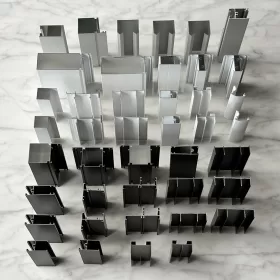
The versatility of anodized aluminum means it is segmented into specific types, each tailored for distinct industries.
H3: Architectural and Construction Profiles
This is the largest market segment. Architectural anodizing focuses on aesthetic appeal and structural integrity. These profiles are used for:
- Curtain Walls and Window Frames: Providing sleek, modern exteriors with high corrosion resistance.
- Structural Glazing: Supporting large glass panels while maintaining a minimalistic look .
- Solar Panel Mounting: The lightweight strength and weather resistance make it ideal for the renewable energy sector, with demand projected to grow exponentially as solar infrastructure expands .
H3: Industrial and Heat Sink Profiles
For industrial applications like machinery frames and automation systems, the wear resistance of anodizing is key. However, a specialized segment is heat sink profiles. The anodized layer, while slightly less conductive than bare metal, actually improves thermal emissivity. This means it helps radiate heat away from electronics more effectively, making it indispensable for LED lighting and power supply casings .
H3: Automotive and Interior Design
In the automotive world, anodized profiles are used for trim, roof rails, and even battery trays in electric vehicles, contributing to the lightweighting trend . In interior design, the finish is prized for furniture frames and partitions, offering a metallic depth that powder coating cannot replicate.
H2: Anodizing vs. The Competition: Making the Right Choice
Choosing the right finish can make or break a project. Here is how anodized aluminum stacks up against its main rival: powder coating.
H3: The Case for Anodizing: Long-Term Value
While powder coating offers a vast palette of colors and is cost-effective upfront, it sits on the metal. Anodizing is the metal. For projects where lifecycle costs are analyzed—such as public infrastructure or coastal buildings—anodizing wins.
- Lifecycle Cost: Painted finishes may need repainting or touch-ups. Anodized aluminum requires only mild soap and water to look new, drastically reducing maintenance costs over 20 years .
- Metallic Aesthetic: Anodizing preserves the natural metallic look, offering a depth and sheen that paints, which can sometimes look flat or "thick," cannot achieve .
H3: The Limitations to Consider
It is not a one-size-fits-all solution. Anodizing can have slight color variation between batches due to the chemical process, which might be an issue for projects requiring absolute uniformity . Furthermore, while the surface is hard, it can be scratched by abrasive materials during installation—though these scratches are less noticeable than on painted surfaces if the oxide layer remains intact.
H2: Global Market Outlook: The Rising Demand for Anodized Profiles
The data speaks for itself. The global anodized aluminum profile market is on a robust trajectory.
H3: Market Valuation and Growth Drivers
Valued at approximately USD 3.5 billion in 2024, the market is projected to reach USD 6.2 billion by 2032, growing at a CAGR of 7.1% . This growth is fueled by several macro-trends:
- Green Building Initiatives: Anodizing is an eco-friendly process with low VOC emissions, and aluminum itself is infinitely recyclable without losing quality, contributing to LEED certification points .
- Urbanization in Asia-Pacific: Rapid infrastructure development in China, India, and Southeast Asia is creating massive demand for high-quality building materials.
- EV and Renewable Energy: The automotive industry's shift to electric vehicles requires lightweight, corrosion-resistant materials for battery housings and structural components, while the solar boom demands durable frames .
H3: Key Industry Players
The market is characterized by a mix of global giants and specialized regional players. Companies like Hydro (Norway), Alcoa (USA) , and China Zhongwang Holdings dominate the landscape, leveraging advanced extrusion presses and extensive anodizing lines to serve global construction and automotive clients . These leaders are investing heavily in low-carbon aluminum production to meet tightening environmental regulations in Europe and North America.
H2: Installation, Maintenance, and Best Practices
To maximize the lifespan of an anodized aluminum profile, proper handling and care are essential.
H3: Best Practices for Installation
During installation, care must be taken to prevent galvanic corrosion. When attaching anodized profiles to other metals (like steel), it is vital to use compatible fasteners or insulate the materials to prevent electrolytic reactions. Additionally, avoiding abrasive contact with mortar or concrete during construction will preserve the finish .
H3: Cleaning and Longevity
Maintenance is remarkably simple. The non-porous surface prevents dirt from penetrating. Washing with mild soap and water is usually sufficient to restore the original luster. Harsh alkaline or acidic cleaners should be avoided as they can etch the oxide layer over time. With proper care, anodized finishes on architectural profiles have been known to last 50 years or more without significant degradation.
Conclusion
The perfil aluminio anodizado represents the pinnacle of aluminum surface finishing. It offers a unique combination of aesthetic beauty, extreme durability, and environmental sustainability that few other materials can match. As we look toward a future defined by sustainable urban development and high-performance industrial design, the role of anodized aluminum will only grow in importance.
Whether you are an architect seeking the perfect bronze hue for a coastal skyscraper or an engineer requiring a reliable heat sink for next-generation electronics, anodized aluminum provides a proven, high-ROI solution. By understanding the nuances of thickness, alloy, and application, you can leverage this versatile material to build not just structures, but legacies.
- Conocimiento del sector
- Información de la feria
- Información del producto
-

The Ultimate Guide to Anodized Aluminum Profiles: Durability, Applications, and Market Insights for 2026
In an era where modern architecture demands both visual elegance and structural resilience, the anodized aluminum profile has emerged as a non-negotiable standard. Unlike ordinary finished metals that merely coat the surface, anodizing transforms aluminum into a material with a surface that is virtually part of the metal itself. As we move through 2026, the global appetite [...]
-
Tubular Cuadrado de Aluminio: La Esencia de la Precisión y el Diseño con PETREL
Tubular Cuadrado de Aluminio: La Esencia de la Precisión y el Diseño con PETREL Tubular Cuadrado de Aluminio En el mundo de la construcción moderna, la arquitectura contemporánea y la fabricación industrial, existen elementos que trascienden su función básica para convertirse en pilares del diseño y la funcionalidad. El tubular cuadrado de aluminio es uno de ellos. [...]
-
Ángulo en U de Aluminio: El Refuerzo Perfecto para sus Proyectos con PETREL
Ángulo en U de Aluminio: El Refuerzo Perfecto para sus Proyectos con PETREL Ángulo en U de Aluminio En el ámbito de la construcción, la fabricación y el diseño, donde cada detalle determina la solidez, la estética y la funcionalidad final, existe un perfil cuya versatilidad y eficacia son indispensables: el ángulo en U de aluminio. [...]
-
Aluminio Tubular Cuadrado: La Esencia de la Estructura Moderna con PETREL
Aluminio Tubular Cuadrado: La Esencia de la Estructura Moderna con PETREL Aluminio Tubular Cuadrado En el corazón de la innovación en construcción, diseño industrial y arquitectura contemporánea late un elemento de una simplicidad y eficacia formidables: el aluminio tubular cuadrado. Esta forma geométrica pura, combinada con las propiedades excepcionales del aluminio, se ha convertido en un [...]


-
Faltan solo 2 días para la apertura de GLASSTECH México 2025
Petrel Aluminio llegará al recinto ferial con sus productos más recientes, y los invita cordialmente a visitar nuestro stand para conocer a fondo nuestras últimas soluciones en perfiles de aluminio para arquitectura e industria. Dirección del evento: Centro Citibanamex, Hall A, CDMXFecha del evento: 16 – 18 de julio de 2025 Ventajas de Petrel Aluminio [...]
-
Glasstech México 2025 Se Acerca!!!
Hoy es 25 de junio de 2025 — ¡faltan solo 21 días para la inauguración de Glasstech México 2025! Petrel Aluminio presentará nuestras últimas soluciones personalizadas en perfiles de aluminio en este destacado evento de la industria.¡Esperamos verte en la feria! ¿Por qué elegir a Petrel Aluminio? ¿Quieres saber más sobre nuestros productos y servicios?Visita [...]
-
¡Bienvenidos a Visitar Nuestra Fábrica Durante la 137ª Feria de Cantón
La 137ª Feria de Importación y Exportación de China (Feria de Cantón) – Fase 2 (Materiales de Construcción y Decoración) Como fabricante con 20 años de experiencia en extrusión de aluminio, Petrel Aluminio invita cordialmente a todos los clientes internacionales que viajen a China por la Feria de Cantón a visitar nuestra fábrica durante el [...]
-
¡Bienvenidos a la 137ª Feria de Importación y Exportación de China (Feria de Cantón)!
📅 Fechas de la Exposición La 137ª Feria de Cantón está programada para abrir oficialmente el 15 de abril de 2025. 🏢 Exposición Presencial por Fases: 📦 Categorías de Exhibición

-
Petrel Aluminio lanza una nueva serie de colores anodizados para perfiles de aluminio
En la industria de puertas y ventanas arquitectónicas, los perfiles de aluminio no solo cumplen una función estructural, sino que también son un elemento clave de expresión estética. Para satisfacer la creciente demanda de acabados arquitectónicos refinados y diseños interiores de alta calidad, Petrel Aluminio ha perfeccionado su tecnología de anodizado y lanza con orgullo [...]
-
Perfiles de Aluminio con Recubrimiento en Polvo Gris Oscuro — Precisión y Flexibilidad en Cada Detalle
En Petrel Aluminio, mantenemos un compromiso constante con la innovación tecnológica y la mejora de la calidad. Nuestra fábrica ha puesto en marcha un nuevo proyecto: perfiles de aluminio con recubrimiento en polvo gris oscuro, producidos mediante una línea de recubrimiento en polvo horizontal equipada con pistolas automáticas suizas Gema, que garantizan un acabado eficiente, [...]
-
Serie de Perfiles de Aluminio Personalizados para el Mercado de Indonesia
Indonesia, como un claro representante del clima de selva tropical, experimenta altas temperaturas, humedad y lluvias intensas durante todo el año. Sumado a la fuerte radiación solar y al rápido desarrollo urbano, las puertas, ventanas, muros cortina y materiales de revestimiento exterior enfrentan grandes desafíos ambientales. En tales condiciones, elegir el perfil de aluminio adecuado [...]
-
Perfiles de Aluminio Personalizados para Puertas y Ventanas en Colombia
En la industria de la construcción, los sistemas de puertas y ventanas en diferentes países y regiones presentan preferencias de diseño y requisitos de rendimiento únicos. Para servir mejor a los clientes de América Latina, Petrel Aluminio ha lanzado un nuevo proyecto: una serie de perfiles de aluminio especialmente diseñados para el mercado colombiano. Table [...]