
The Definitive Guide to Anodized Aluminum Profiles: Properties, Applications, and Market Insights
In the realms of modern architecture, industrial manufacturing, and sustainable design, few materials offer the versatility and resilience of the anodized aluminum profile. Known globally as perfil aluminio anodizado, this product is more than just metal; it is a meticulously engineered solution that combines the lightweight strength of aluminum with a surface finish that defies wear, corrosion, and time. As global industries shift toward durability and circular economy principles, understanding the technical nuances of anodized profiles is essential for specifiers, buyers, and engineers.
This comprehensive guide explores the technical specifications, diverse applications, market dynamics, and critical selection criteria for anodized aluminum profiles, providing the depth of knowledge required to make informed procurement decisions.
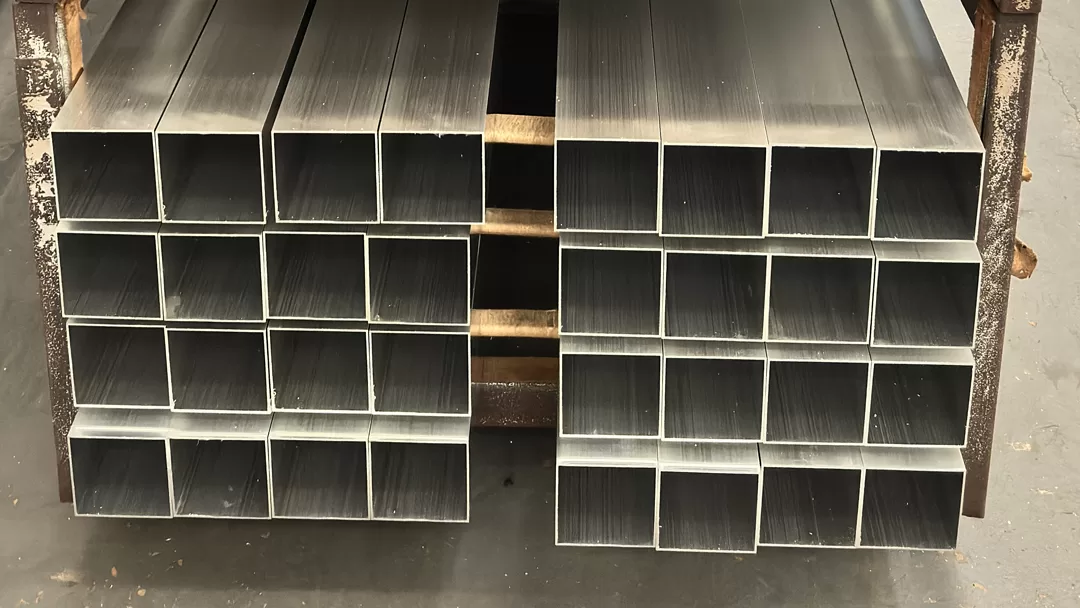
What is an Anodized Aluminum Profile? Understanding the Process
An anodized aluminum profile begins as a standard aluminum extrusion, typically from the 6000 series alloy (such as 6060 or 6063), prized for its excellent extrudability and surface finish. However, the defining characteristic of these profiles lies in the electrochemical post-treatment they undergo. Anodizing is not merely a coating; it is a controlled oxidation process that transforms the outer surface of the aluminum into a durable aluminum oxide layer.
The Electrochemical Transformation
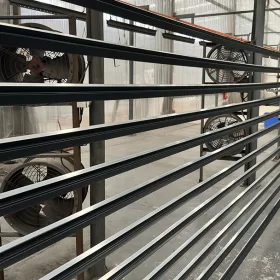
The anodizing process involves immersing the extruded profile in an electrolyte bath, usually sulfuric acid, and passing an electric current through the solution. The aluminum acts as the anode, releasing oxygen ions that combine with the aluminum atoms on the surface to form a thick, dense layer of aluminum oxide (Al₂O₃) . Unlike paint or powder coating, which sits on top of the metal, the anodic layer grows from the substrate itself. This integration means the finish cannot peel or flake. The thickness of this layer is carefully controlled based on the application, typically ranging from 5 to 25 microns, with architectural and marine applications often requiring the higher end of this spectrum for maximum protection .
Alloy and Extrusion Quality: The Prerequisites for Quality
The quality of a finished anodized profile is intrinsically linked to the quality of the raw extrusion. Because the anodizing layer is translucent, it reveals—and sometimes amplifies—the surface condition of the base aluminum. Imperfections such as die lines, scratches, or inclusions become permanently visible post-anodizing. High-end manufacturers, therefore, invest in premium, hand-polished dies specifically designated for anodized products. Furthermore, the timing between extrusion and anodizing is critical; storing profiles for too long can allow natural oxidation to occur, which may lead to inconsistencies in the final anodized finish . Alloys like EN AW-6060 T6 are frequently specified for their optimal response to anodizing, ensuring a uniform and aesthetically pleasing result .
Types and Classifications of Anodized Aluminum Profiles
Anodized aluminum profiles are not a monolithic product category. They are classified based on shape, anodizing quality, and color treatment, each tailored to specific end-use environments.
Classification by Shape and Geometry
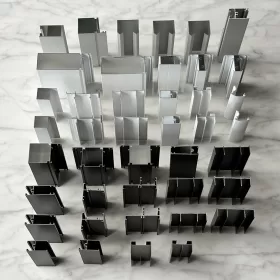
The physical configuration of a profile determines its structural application. Common types include:
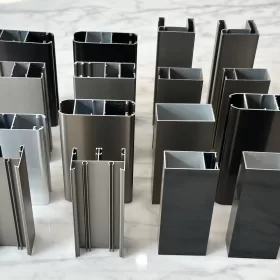
- Hollow Profiles: These offer a superior strength-to-weight ratio and are ideal for structural framing systems, window frames, and curtain walls where internal space may be used for wiring or reinforcement .
- Solid Profiles: Often used in components requiring high load-bearing capacity in a compact form, such as machine parts, brackets, and heat sinks.
- U-Shaped and Grooved Profiles: Frequently found in industrial guides, trims, and sliding systems. For instance, profiles with a nominal 8.3 mm groove are standard in modular construction systems for T-nuts and connectors .
- Custom Profiles: Extrusion allows for near-infinite design possibilities. Custom profiles are engineered for specialized applications in transportation, medical equipment, or unique architectural features .
Classification by Coating Quality (Thickness and Hardness)
Anodizing specifications are often dictated by the intended environment:
- Standard Anodizing (5-15 µm): Suitable for interior applications with minimal wear and corrosion risk.
- Architectural Anodizing (15-25 µm): A leading segment for exterior use, prized for its exceptional surface finish, color consistency, and resistance to UV fading. This grade is essential for building facades and high-end consumer products .
- Hardcoat Anodizing (Type III / 25-50 µm+): Also known as hard anodizing, this process creates an extremely hard, abrasion-resistant surface. It is used in industrial and military applications where components face severe mechanical stress and corrosive environments. The hardness can approach that of a sapphire .
Key Features and Performance Benefits
The enduring popularity of anodized aluminum profiles stems from their unique combination of physical and aesthetic properties. When specifying profiles, understanding these features ensures the material meets the long-term demands of the project.
H3: Unmatched Corrosion and Weather Resistance
The anodic layer is chemically stable and inert. It acts as a barrier against moisture, salt spray, urban pollutants, and acidic environments. Unlike organic coatings that can degrade under UV light, the inorganic oxide layer is inherently UV-stable, meaning it will not chalk or fade when exposed to decades of sunlight . This makes it the material of choice for coastal buildings, marine applications, and any structure exposed to harsh weather .
H3: Surface Hardness and Abrasion Resistance
Anodizing significantly increases the surface hardness of aluminum. This resistance to scratching and wear ensures that profiles maintain their integrity in high-traffic areas, such as handrails, machinery frames, and industrial workstations. The hardness prevents the minor abrasions that can lead to unsightly wear patterns on painted surfaces .
H3: Aesthetic Versatility and Color Stability
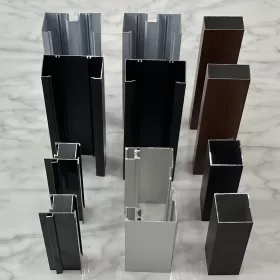
While early anodized finishes were limited to natural metallic shades and bronzes, modern technology offers a broader palette, including various shades of grey, green, and black. These colors are created by introducing trace metals like tin or cobalt during the process, which deposit in the pores of the oxide layer before sealing. Because the color is integral to the layer, it cannot peel, and its optical properties ensure it remains vibrant without fading . Green anodized profiles, in particular, are sought after for eco-conscious designs, blending naturally with landscapes and green roofs .
Sustainability and Lifecycle Value
In an era focused on Environmental, Social, and Governance (ESG) criteria, anodized aluminum excels. The anodizing process uses no VOCs (Volatile Organic Compounds), and the bath chemistry typically involves only aluminum and water, with no hazardous airborne emissions. Furthermore, the finished product is 100% recyclable; the anodic layer is simply removed during the re-melting process, allowing the aluminum to be reused without downcycling . Its durability also means longer replacement cycles, reducing material consumption over time.
Primary Applications Across Industries
The unique properties of anodized aluminum profiles make them indispensable across a spectrum of industries, from construction to high-tech manufacturing.
Architectural and Building Systems
This remains the dominant application segment. Anodized profiles are ubiquitous in curtain walls, window frames, door systems, and structural glazing . Architects specify anodized finishes for their ability to provide a sleek, modern aesthetic while withstanding the elements. The material's compatibility with thermally broken systems and high-performance gaskets meets the stringent energy codes of modern green buildings . For instance, the resurgence of anodizing in commercial facades is driven by a desire to return to the material"s natural, robust质感, moving away from painted finishes .
Industrial Automation and Framing
The modular nature of T-slot anodized aluminum profiles has revolutionized factory automation. They are used to build machine guards, workstations, conveyor systems, and equipment frames. The anodized layer provides a non-conductive surface and resists the oils and coolants common in manufacturing environments. The ecosystem of compatible connectors, hinges, and fasteners allows for rapid reconfiguration of production lines, a key advantage in flexible manufacturing .
Renewable Energy and Infrastructure
The global push for renewable energy has created a surge in demand for anodized profiles. In solar energy, they are the standard for photovoltaic (PV) module frames and mounting trackers. The combination of light weight, strength, and exceptional UV and corrosion resistance ensures the structural integrity of solar farms for 30+ years . They are also increasingly used in the structural frames and battery enclosures for electric vehicles (EVs), where lightweighting is critical for range efficiency .
Electronics and Thermal Management
Anodized aluminum is a staple in electronics. While the oxide layer slightly reduces raw thermal conductivity, it significantly improves thermal emissivity. This means an anodized heat sink can radiate heat away more effectively than a bare metal one. This property, combined with electrical insulation and a premium finish, makes it ideal for LED lighting housings, power supplies, and electronic enclosures .
Market Outlook and Industry Trends (2025-2034)
Understanding the market forces behind anodized aluminum profiles helps buyers anticipate pricing, supply chain dynamics, and emerging opportunities.
Market Size and Growth Projections
The global market for anodized aluminum profiles is on a strong growth trajectory. Valued at approximately USD 3.5 billion in 2024, it is projected to reach USD 6.2 billion by 2032, growing at a Compound Annual Growth Rate (CAGR) of 7.1% . This growth is part of the broader aluminum profiles market, which is expected to hit USD 139.4 billion by 2034, driven by demand in construction, automotive, and green energy .
Key Drivers Shaping the Market
- Sustainability and Green Building: The demand for materials that contribute to LEED and BREEAM certifications is a major driver. Anodized aluminum's recyclability and low embodied carbon make it a preferred choice for environmentally responsible projects .
- Urbanization and Infrastructure in Asia-Pacific: The Asia-Pacific region, led by China and India, represents the fastest-growing market. Massive infrastructure development, industrial expansion, and a booming construction sector are fueling consumption .
- Lightweighting in Transport: The automotive industry"s shift toward EVs is accelerating the use of aluminum profiles for battery trays and structural components to offset the weight of battery packs .
Challenges and Competition
Despite its advantages, anodizing faces competition from advanced coating technologies. Fluoropolymer coatings (like PVDF) offer a broader color palette and meet stringent AAMA 2605 performance standards, appealing to architects seeking specific custom colors . However, anodizing maintains its dominance for metallic aesthetics and lifecycle cost-effectiveness. Additionally, volatile aluminum prices and stringent environmental regulations on anodizing plant discharges continue to pose challenges to manufacturers .
How to Select the Right Anodized Aluminum Profile Supplier
For procurement managers and engineers, choosing the right supplier is as critical as choosing the right alloy. The market is shifting from selling commodity "sticks" to providing systemized, engineering-led solutions .
Technical Capabilities and Quality Assurance
- Die Quality: Inquire about the supplier's tooling philosophy. Do they use dedicated dies for anodized finishes? This is a key indicator of surface quality .
- Anodizing Line Control: Ask about their ability to maintain consistent color lots. For large facade projects, color consistency across thousands of profiles is paramount.
- Certifications: Look for compliance with international standards. Suppliers should be able to provide data on anodizing thickness, seal quality, and mechanical properties (e.g., Tensile strength: 220-250 N/mm² for alloy 6060 T6) .
Value-Added Services
Modern suppliers differentiate themselves through support services. Leading vendors now offer BIM (Building Information Modeling) libraries, structural simulation data, and pre-machined kits that reduce on-site labor and errors . The ability to provide engineering support, such as pull-tests and seismic calculations, significantly reduces risk for contractors and EPC firms .
H2: Conclusion
The anodized aluminum profile—the perfil aluminio anodizado—remains a cornerstone of modern industry and architecture. Its unique ability to combine structural integrity with a virtually indestructible, aesthetically pleasing surface ensures its continued relevance. As we move through 2025 and beyond, the demand for these profiles will be driven by the global imperatives of sustainability, renewable energy, and advanced manufacturing. By understanding the intricacies of the process, the variety of types available, and the dynamics of the global market, industry professionals can leverage this remarkable material to build a future that is both durable and elegant.
- Conocimiento del sector
- Información de la feria
- Información del producto
-

The Definitive Guide to Anodized Aluminum Profiles: Properties, Applications, and Market Insights
In the realms of modern architecture, industrial manufacturing, and sustainable design, few materials offer the versatility and resilience of the anodized aluminum profile. Known globally as perfil aluminio anodizado, this product is more than just metal; it is a meticulously engineered solution that combines the lightweight strength of aluminum with a surface finish that defies wear, corrosion, [...]
-
The Ultimate Guide to Anodized Aluminum Profiles: Durability, Applications, and Market Insights for 2026
In an era where modern architecture demands both visual elegance and structural resilience, the anodized aluminum profile has emerged as a non-negotiable standard. Unlike ordinary finished metals that merely coat the surface, anodizing transforms aluminum into a material with a surface that is virtually part of the metal itself. As we move through 2026, the global appetite [...]
-
Tubular Cuadrado de Aluminio: La Esencia de la Precisión y el Diseño con PETREL
Tubular Cuadrado de Aluminio: La Esencia de la Precisión y el Diseño con PETREL Tubular Cuadrado de Aluminio En el mundo de la construcción moderna, la arquitectura contemporánea y la fabricación industrial, existen elementos que trascienden su función básica para convertirse en pilares del diseño y la funcionalidad. El tubular cuadrado de aluminio es uno de ellos. [...]
-
Ángulo en U de Aluminio: El Refuerzo Perfecto para sus Proyectos con PETREL
Ángulo en U de Aluminio: El Refuerzo Perfecto para sus Proyectos con PETREL Ángulo en U de Aluminio En el ámbito de la construcción, la fabricación y el diseño, donde cada detalle determina la solidez, la estética y la funcionalidad final, existe un perfil cuya versatilidad y eficacia son indispensables: el ángulo en U de aluminio. [...]



-
Faltan solo 2 días para la apertura de GLASSTECH México 2025
Petrel Aluminio llegará al recinto ferial con sus productos más recientes, y los invita cordialmente a visitar nuestro stand para conocer a fondo nuestras últimas soluciones en perfiles de aluminio para arquitectura e industria. Dirección del evento: Centro Citibanamex, Hall A, CDMXFecha del evento: 16 – 18 de julio de 2025 Ventajas de Petrel Aluminio [...]
-
Glasstech México 2025 Se Acerca!!!
Hoy es 25 de junio de 2025 — ¡faltan solo 21 días para la inauguración de Glasstech México 2025! Petrel Aluminio presentará nuestras últimas soluciones personalizadas en perfiles de aluminio en este destacado evento de la industria.¡Esperamos verte en la feria! ¿Por qué elegir a Petrel Aluminio? ¿Quieres saber más sobre nuestros productos y servicios?Visita [...]
-
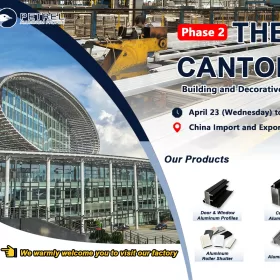
¡Bienvenidos a Visitar Nuestra Fábrica Durante la 137ª Feria de Cantón
La 137ª Feria de Importación y Exportación de China (Feria de Cantón) – Fase 2 (Materiales de Construcción y Decoración) Como fabricante con 20 años de experiencia en extrusión de aluminio, Petrel Aluminio invita cordialmente a todos los clientes internacionales que viajen a China por la Feria de Cantón a visitar nuestra fábrica durante el [...]
-
¡Bienvenidos a la 137ª Feria de Importación y Exportación de China (Feria de Cantón)!
📅 Fechas de la Exposición La 137ª Feria de Cantón está programada para abrir oficialmente el 15 de abril de 2025. 🏢 Exposición Presencial por Fases: 📦 Categorías de Exhibición

-
Petrel Aluminio lanza una nueva serie de colores anodizados para perfiles de aluminio
En la industria de puertas y ventanas arquitectónicas, los perfiles de aluminio no solo cumplen una función estructural, sino que también son un elemento clave de expresión estética. Para satisfacer la creciente demanda de acabados arquitectónicos refinados y diseños interiores de alta calidad, Petrel Aluminio ha perfeccionado su tecnología de anodizado y lanza con orgullo [...]
-
Perfiles de Aluminio con Recubrimiento en Polvo Gris Oscuro — Precisión y Flexibilidad en Cada Detalle
En Petrel Aluminio, mantenemos un compromiso constante con la innovación tecnológica y la mejora de la calidad. Nuestra fábrica ha puesto en marcha un nuevo proyecto: perfiles de aluminio con recubrimiento en polvo gris oscuro, producidos mediante una línea de recubrimiento en polvo horizontal equipada con pistolas automáticas suizas Gema, que garantizan un acabado eficiente, [...]
-
Serie de Perfiles de Aluminio Personalizados para el Mercado de Indonesia
Indonesia, como un claro representante del clima de selva tropical, experimenta altas temperaturas, humedad y lluvias intensas durante todo el año. Sumado a la fuerte radiación solar y al rápido desarrollo urbano, las puertas, ventanas, muros cortina y materiales de revestimiento exterior enfrentan grandes desafíos ambientales. En tales condiciones, elegir el perfil de aluminio adecuado [...]
-
Perfiles de Aluminio Personalizados para Puertas y Ventanas en Colombia
En la industria de la construcción, los sistemas de puertas y ventanas en diferentes países y regiones presentan preferencias de diseño y requisitos de rendimiento únicos. Para servir mejor a los clientes de América Latina, Petrel Aluminio ha lanzado un nuevo proyecto: una serie de perfiles de aluminio especialmente diseñados para el mercado colombiano. Table [...]