INICIO » The Definitive Guide to Anodized Aluminium Profiles: Properties, Applications, and Market Insights 2026
The Definitive Guide to Anodized Aluminium Profiles: Properties, Applications, and Market Insights 2026
Petrel
2026-02-17
3
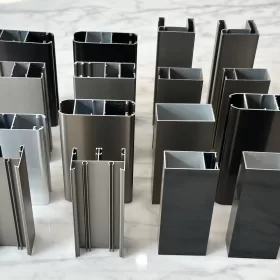
In the worlds of modern architecture, industrial automation, and high-end product design, few materials strike the perfect balance between form and function like the perfil aluminio anodizado (anodized aluminium profile). While standard aluminium offers a lightweight and strong foundation, the anodizing process transforms it into a premium product with unmatched durability and aesthetic longevity.
If you are specifying materials for a coastal high-rise, designing a heat sink for sensitive electronics, or sourcing frames for a solar farm, understanding the technical nuances of anodized profiles is critical. This guide cuts through the marketing fluff to deliver the technical specifications, market trends, and application insights you need in 2026.
Summary for the Busy Professional: Anodized aluminium profiles are aluminium extrusions that undergo an electrochemical process to thicken the natural oxide layer. This results in a surface that is harder, corrosion-resistant, and aesthetically superior to painted alternatives. The global market is projected to reach $6.2 billion by 2032, driven by construction booms and the electric vehicle (EV) revolution .
What is a "Perfil Aluminio Anodizado"? Understanding the Process
To truly appreciate the value of an anodized profile, one must understand that the finish is not simply "painted on" like powder coating. It is an integral part of the metal.
The Electrochemical Transformation
The production of a high-quality anodized profile begins with aluminium extrusion. Billets are heated (typically to 440-450°C) and forced through a steel die to create the desired shape . However, the magic happens in the anodizing tank.
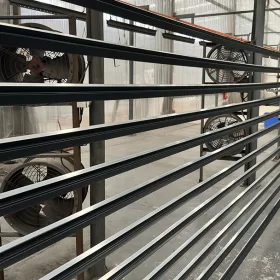
The process uses the aluminium profile as the anode in an acid electrolyte bath (usually sulfuric acid). When an electric current passes through, it releases oxygen ions that combine with the aluminium atoms on the surface. This builds a thick, uniform layer of aluminium oxide. Unlike a coating that sits on top, this oxide layer grows out of the base metal, meaning it cannot peel or flake .
The Science of the Oxide Layer
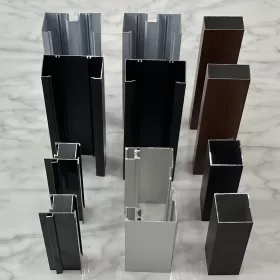
The resulting surface is not just a barrier; it is a microstructure. The anodized layer is highly porous immediately after formation, which allows for the introduction of colors (like the popular greens, bronzes, and blacks) . After dyeing, the pores are sealed using hot water or chemical solutions, locking in the color and creating a non-porous, hard surface.
According to technical data, this process increases surface energy dramatically (up to 840 mN/m compared to untreated metal), which is why anodized surfaces are excellent for bonding and adhesion . Thicknesses are typically controlled between 5 to 25 microns, with architectural applications requiring the heavier 15-25 micron range for outdoor durability .
Why Specifiers Choose Anodized Over Other Finishes
When comparing anodized aluminium to powder-coated or mill-finish profiles, several distinct advantages emerge that justify the investment.
Unmatched Durability and Hardness
The anodizing process essentially creates a sapphire-like surface on the aluminium. This hardness (typically 60-70 Rockwell C on the treated layer) provides exceptional resistance to scratches, abrasion, and wear . In industrial settings—such as machinery frames or high-traffic handrails—this means the profile maintains its structural integrity and appearance far longer than alternatives that might chip or scratch .
Environmental Resistance and Lifecycle
For exterior applications, UV resistance is non-negotiable. Organic paints and coatings break down under intense sunlight, leading to chalking and fading. The anodized layer is inorganic; it is essentially ceramic. It will not fade or degrade under UV exposure, making it the preferred choice for building facades in sun-belt regions . Furthermore, the corrosion resistance is superior in saline environments, protecting the metal even if the surface is scratched, because the oxide layer is integral to the metal .
The "Green" Advantage: Sustainability and Recycling
In an era where Environmental Product Declarations (EPDs) matter, anodized aluminium shines.
Recyclability: Unlike painted aluminium, which requires chemical stripping before remelting, anodized parts can be thrown directly into the recycling stream with bare scrap. The oxide layer is so thin (and mostly aluminium itself) that it does not contaminate the melt, preserving the metal's high value .
Low Maintenance: The non-porous surface resists dirt adhesion, requiring only simple washing to restore its appearance, reducing lifecycle cleaning costs .
Clean Process: Modern anodizing lines use fewer Volatile Organic Compounds (VOCs) compared to liquid paints .
Primary Applications Across Industries
The versatility of the perfil aluminio anodizado allows it to dominate several key sectors.
Architectural and Structural Marvels
This remains the largest application segment. Anodized profiles are the backbone of modern building envelopes.
Curtain Walls and Window Frames: The combination of structural strength and weather resistance makes it ideal for high-rise buildings. Architects value the consistent color tones (from matte to glossy) that define the building's aesthetic for decades .
Structural Glazing: Used in glass houses and green buildings, the profiles provide the slim, strong framework necessary for maximizing natural light .
Industrial and Automation Frameworks
Walk into any modern factory, and you will see anodized aluminium.
T-Slot Framing: The hard, wear-resistant surface is perfect for modular framing systems, machine guards, workstations, and conveyors. The anodized layer ensures that repeated adjustments and clamping do not wear down the slots .
Heat Dissipation: Anodizing actually improves the thermal emissivity of aluminium. While the oxide layer slightly insulates, it radiates heat away more effectively than bare metal, which is why heat sinks for electronics and LED lighting are often anodized .
The Automotive and E-Mobility Revolution
As the automotive industry shifts to electric vehicles, lightweighting is critical.
Battery Housings and Crash Management: Anodized profiles are used in EV battery trays and crash boxes. The corrosion resistance is vital here, as battery cooling systems and road salts create harsh environments .
Aesthetic Trim: For internal trim and exterior accents, the anodized finish provides a premium, "metal" look that painted plastic cannot replicate, with the color stability required for the vehicle's lifespan .
Market Dynamics and Global Outlook (2025-2032)
Understanding the market forces behind anodized profiles helps buyers anticipate pricing and availability.
Market Valuation and Growth Drivers
The global anodized aluminum profile market was valued at approximately USD 3.5 billion in 2024. Experts project a robust Compound Annual Growth Rate (CAGR) of 7.1% from 2025 to 2032, pushing the market value toward USD 6.2 billion by the end of the forecast period .
This growth is primarily fueled by:
Urbanization in Asia-Pacific: Massive infrastructure projects in China, India, and Southeast Asia are consuming vast quantities of architectural profiles .
The Green Energy Transition: Solar photovoltaic (PV) installations rely heavily on anodized aluminium frames for their lightweight, corrosion-resistant properties, allowing them to last 30+ years in the field .
Supply Chain Shifts: As global supply chains diversify, manufacturers in the Middle East and Turkey (like ASTAS Aluminyum) are expanding capacity to serve Europe and surrounding regions with Qualanod-certified products .
Challenges Facing the Industry
It is not all smooth sailing. Buyers should be aware of current headwinds:
Raw Material Volatility: Fluctuations in LME (London Metal Exchange) aluminium prices and energy costs can impact the final price of profiles .
Regulatory Compliance: Stricter environmental regulations regarding the disposal of anodizing chemicals (acids and heavy metals) are increasing compliance costs for manufacturers, particularly in North America and the EU .
How to Specify the Right Anodized Profile
To ensure you get a high-quality product that lasts, specifications must go beyond just the dimensions.
H3: Thickness and Quality Standards (QUALANOD)
Never simply ask for "anodized." Specify the coating thickness based on the application:
Look for certifications like QUALANOD, which guarantees that the anodizing plant meets rigorous European quality standards for sealing, thickness, and color consistency .
Alloy Considerations
Not all aluminium alloys anodize equally. The 6000 series alloys (particularly 6063 and 6060) are the workhorses of the extrusion industry. They contain magnesium and silicon, which allow for a good surface finish and response to anodizing. For high-strength structural applications requiring higher stiffness (like EV components), alloys like 6005A or 6082 are preferred, though they may yield a slightly different visual appearance when anodized .
Color Matching and Light Fastness
If color consistency is critical (e.g., for a building facade), request samples from the actual production run. Insist on light-fastness testing for dyed colors to ensure the green, bronze, or black you select will not shift over time .
The Future: Innovation in Anodizing
The industry is not static. Look for these emerging trends in the coming years:
Low-Carbon Aluminum: Major producers like Hydro and Constellium are offering anodized profiles made from aluminium smelted with renewable energy, drastically reducing the product's carbon footprint .
Integrated Kits: The market is moving away from selling profiles by the meter and toward "systemized kits." Buyers now expect pre-machined, pre-drilled profiles that come with all necessary accessories (gaskets, screws, end caps) for faster installation .
Digital Integration: Manufacturers are increasingly providing BIM (Building Information Modeling) objects and digital twins of their profiles, allowing architects and engineers to simulate performance before a single meter is cut .
Conclusion
The perfil aluminio anodizadois far more than a piece of metal; it is a high-performance engineering solution. Whether you are constructing a landmark skyscraper, designing the next generation of electric vehicles, or building durable industrial equipment, the choice of an anodized finish is a choice for longevity, sustainability, and quality. By understanding the technical specifications and market trends outlined in this guide, you are now equipped to make procurement decisions that stand the test of time—and the elements.