
Beyond the Finish: Why Anodized Aluminum Profiles Dominate Modern Architecture and Industry
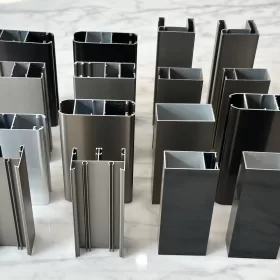
Walk through any modern city center, and you are walking through a gallery of anodized aluminum. The shimmering curtain walls, the sleek storefronts, the durable handrails that show no sign of wear despite years of use—these are the signatures of a material that has been transformed, not just coated. For architects, engineers, and manufacturers, the specification of a perfil aluminio anodizado is rarely an afterthought; it is a deliberate choice for longevity, sustainability, and an aesthetic that cannot be replicated by paints or powders.
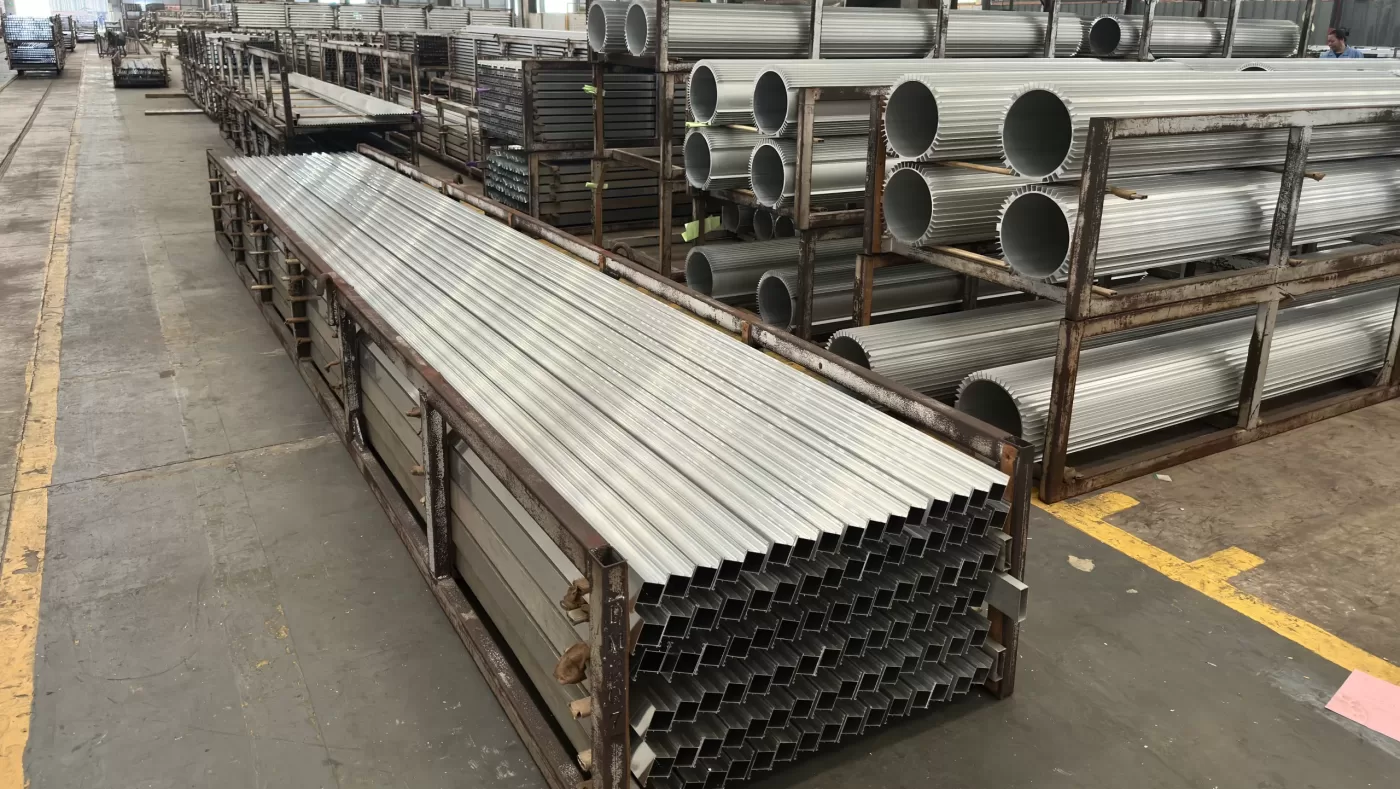
But what actually happens inside those massive anodizing tanks? Why does this specific finish command a premium in the market, and more importantly, why does it save money in the long run? Whether you are designing a seaside facade in Spain, sourcing components for industrial machinery in Mexico, or specifying materials for a high-end residential project, understanding the complete lifecycle of the anodized profile is the key to unlocking its full potential.
The Alchemy of Surface: Understanding the Anodizing Process
To truly appreciate a perfil aluminio anodizado, one must first understand that the finish is not an addition, but a transformation. Unlike paint, which sits on the surface like a mask, anodizing is an electrochemical process that converts the aluminum itself into a完全不同 material.
From Extrusion to Electrolyte: The Journey Begins
The journey of a high-quality profile begins long before it touches the acid bath. It starts as a billet of aluminum—often alloy 6063, prized for its extrusion qualities and aesthetic response to anodizing . This billet is heated and forced through a die to create the specific shape required, whether a complex hollow frame for a window or a simple rectangular bar for industrial framing.
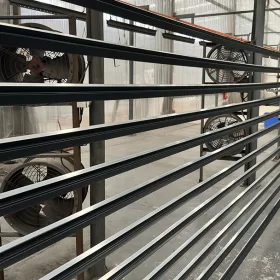
Once extruded, the profile is transferred to the anodizing line. This is where the magic happens. The profile undergoes a meticulous cleaning and etching process to remove any surface imperfections and create a uniform matte finish. It is then immersed in a tank containing an acid-based electrolyte, typically sulfuric acid . The profile acts as the anode (the positive electrode) in an electrical circuit. When current is passed through the solution, it forces oxygen ions to combine with the aluminum atoms on the surface of the profile, building layer by layer into a hard, porous aluminum oxide (Al₂O₃) .
The Birth of the Oxide Layer
Think of it as growing a crystal garden directly out of the metal. This newly formed oxide layer is not a separate piece of foil wrapped around the aluminum; it is an integral part of the metal. This integration means it cannot peel or flake off, a common failure point for organic coatings. The porous nature of the layer at this stage is critical—it allows for the introduction of color, whether it is a Champagne Bronze, a Deep Black, or the classic Silver . Finally, the pores are sealed through a hot water or chemical process, locking in the color and rendering the surface inert and non-porous.
Unrivaled Performance: Why Durability is Ingrained
When you specify a perfil aluminio anodizado, you are essentially specifying a product with a ceramic skin. This isn't just marketing hyperbole; it is metallurgical fact. The performance benefits derived from this process are what make it the material of choice for critical applications.
The Armor of Corrosion Resistance
Aluminum naturally forms a thin oxide layer that offers some protection. The anodizing process massively amplifies this defense. By thickening this layer to between 5 and 25 microns for standard architectural applications, and up to 100 microns for hard anodizing, the profile becomes virtually impervious to moisture, salt spray, and urban pollution . In coastal environments where the salty marine atmosphere eats away at lesser materials, anodized profiles stand firm. Major manufacturers are so confident in this that they offer warranties extending up to 25 years, guaranteeing the finish against peeling, fading, and staining . This makes it an ideal solution for building facades, window frames, and curtain walls exposed to the elements.
A Surface Engineered for the Everyday
Beyond weather, these profiles face a constant assault from human contact and industrial use. Scratches, abrasion, and wear are the enemies of aesthetics. Because the anodic layer is part of the metal, it offers superior hardness. Imagine a handrail in a busy shopping center; a painted surface might show scuffs and wear paths within months. An anodized surface, however, provides a hard, sliding face that resists abrasion . It is this resilience that makes it the preferred choice for high-traffic areas, machine parts, and even components in the automotive and transportation sectors where durability is non-negotiable .
The Aesthetic Argument: Beauty That Lasts
In the world of design, beauty is often fleeting. Colors fade, finishes chalk, and surfaces become dull. However, the aesthetic of an anodized finish is uniquely permanent. It offers a visual depth and metallic luster that surface coatings can only imitate.
The Depth of Metallic Finish
Unlike paint, which sits on the surface and can obscure the natural look of metal, anodizing allows the aluminum to remain visible. The finish is integral, meaning the light interacts with the actual metal oxide, creating a depth and richness that is instantly recognizable. Whether it is the warm glow of a Bronze finish or the crisp, clean look of Satin or Inox, the finish has a "metallic" quality that feels substantial . For architects focused on creating timeless structures, this authenticity is a critical differentiator.
A Palette Inspired by Nature
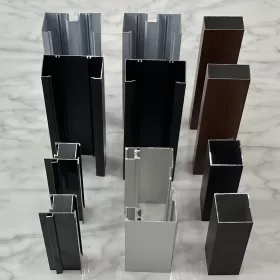
The color options for anodized profiles extend far beyond the standard silver. Through the process of electrolytic coloring, metal salts are deposited at the base of the porous oxide layer. This creates a wide spectrum of colors that are incredibly stable and UV-resistant. Unlike some organic dyes or paints, the color in an anodized finish will not fade under intense sunlight . Popular choices include various shades of Bronze, Champagne, Black, and even more vibrant colors for specific design accents . This lightfastness ensures that the building you design today will look exactly as intended decades later, without the need for repainting.
Sustainability and Lifecycle: The Green Choice
As the construction industry pivots towards circular economy principles, the specification of materials is under intense scrutiny. Anodized aluminum profiles are not just high-performance; they are arguably one of the most sustainable building materials available.
Recycled Content and Circularity
Aluminum is unique in that it can be recycled indefinitely without losing its properties. Today, many anodized profiles are manufactured using a significant percentage of post-consumer recycled aluminum, reducing the carbon footprint associated with primary smelting . When a building eventually reaches the end of its life, the anodized profiles can be stripped, melted down, and re-extruded into new products. The anodized layer, being aluminum oxide, simply reverts back into the melt, meaning no loss of the base material.
Low Maintenance, Lower Impact
The sustainability of a perfil aluminio anodizado also lies in its operational phase. Because the surface is hard, non-porous, and chemically stable, it requires minimal maintenance. There is no need for harsh chemical cleaners, repainting schedules, or sealants. Simple washing with water and mild detergent is usually sufficient to restore its original luster . This drastically reduces the lifetime cost and environmental impact of the building envelope. Furthermore, anodized surfaces act as a dirt repellent, corresponding to high standards of hygiene and reducing the need for frequent cleaning in both architectural and industrial settings .
Market Trends and Applications Across Industries
The global appetite for anodized aluminum profiles is growing, driven by megatrends in construction, technology, and energy. The market, valued at billions of dollars, is projected to continue its steady climb as industries recognize its value proposition .
The Backbone of Modern Architecture
The construction industry remains the dominant consumer. From structural glazing and curtain walls to partitions, doors, and windows, anodized profiles provide the structural integrity and visual appeal required for modern buildings . The trend towards "green buildings" and sustainable architecture favors materials with verified environmental product declarations (EPDs), which many anodized profile manufacturers now provide . Architects are increasingly specifying thermally broken anodized systems to meet stringent energy codes, combining the aesthetic of anodizing with high-performance insulation .
Driving the Future: Automotive and Solar
Beyond buildings, anodized profiles are critical in the automotive industry's shift towards lightweighting. Electric vehicle (EV) manufacturers rely on aluminum extrusions for battery trays and structural components, where the insulating properties and corrosion resistance of anodizing are essential for safety and longevity . Simultaneously, the renewable energy sector is a massive growth area. Solar panel frames are almost exclusively made from anodized aluminum. They must withstand decades of outdoor exposure—UV rays, rain, and temperature swings—without degrading. The anodized finish ensures that these frames remain structurally sound for the 25-30 year lifespan of the solar panels .
Industrial Precision and Design
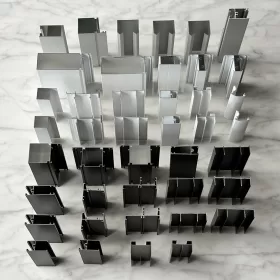
In the industrial sector, T-slot profiles made from anodized aluminum form the basis of modular construction systems for machine guards, workstations, and conveyors . The precise tolerances and consistent finish allow for the creation of complex automation cells. On the design front, consumer goods, furniture, and even medical equipment manufacturers are utilizing the sleek look and hygienic properties of anodized profiles to create products that are both beautiful and functional .
How to Specify and Maintain High-Quality Profiles
To ensure you get the performance promised by the anodizing process, careful specification and proper maintenance are crucial. Not all anodized profiles are created equal, and understanding the standards is key.
Decoding the Standards: Thickness and Quality
When specifying a perfil aluminio anodizado, the most critical factor is the coating thickness, measured in microns. For most interior applications, a thickness of 5 to 15 microns may suffice. However, for exterior architectural applications, standards like BS 3987 or the Qualanod quality label require a minimum thickness of 25 microns . This ensures long-term resistance to weathering and corrosion. Look for suppliers who adhere to these international standards and can provide evidence of quality control, such as EPDs or certifications like Qualanod, which guarantees the quality of the anodizing process .
Best Practices for Longevity
Maintaining anodized aluminum is straightforward. The golden rule is to avoid abrasive cleaners, which can scratch the surface. For routine cleaning, a soft cloth or sponge with a mild soap and water solution is all that is needed . In harsh, coastal, or industrial environments, more frequent rinsing to remove salt or chemical deposits will prolong the life of the finish. For installation, it is vital to use compatible materials; for example, embedding the profile in thin-set mortar for tile applications requires ensuring the mortar is removed immediately from the visible surface to prevent etching . By following these simple steps, the profile will retain its beauty and structural integrity for decades.
Frequently Asked Questions
What is the main difference between anodized and powder-coated aluminum?
The primary difference lies in how the finish is applied. Powder coating is a "top coat" applied to the surface, like paint. Anodizing is an "integral" process that changes the chemical structure of the aluminum surface itself, creating a layer of aluminum oxide. This means anodizing cannot peel or flake, offering superior long-term durability and a unique metallic look, whereas powder coating offers a wider variety of textures and colors but is susceptible to UV fading and physical damage over time.
Can anodized aluminum fade in the sun?
Unlike organic paints or dyes, the color in an anodized finish is extremely stable and resistant to ultraviolet (UV) light. The color comes from either the natural oxide layer or metal deposits within that layer, which do not break down under sunlight. This makes anodized profiles the perfect choice for exterior applications where color fastness is a priority.
Is anodized aluminum suitable for direct contact with food or in medical environments?
Yes, absolutely. Anodized aluminum has a hard, non-porous, and chemically inert surface. It does not react with most substances and is easy to clean and sanitize. This makes it ideal for food processing equipment, medical devices, and applications requiring high standards of hygiene
- Conocimiento del sector
- Información de la feria
- Información del producto
-

Anodized Aluminum Profiles: The Ultimate Guide to Durability, Design, and Industrial Applications
In the worlds of modern architecture, advanced manufacturing, and industrial design, few materials offer the versatility and resilience of anodized aluminum. When searching for perfil aluminio anodizado, industry professionals are typically looking for more than just a piece of metal; they are seeking a solution that combines structural integrity with a premium, long-lasting finish. Anodized aluminum [...]
-
Beyond the Finish: Why Anodized Aluminum Profiles Dominate Modern Architecture and Industry
Walk through any modern city center, and you are walking through a gallery of anodized aluminum. The shimmering curtain walls, the sleek storefronts, the durable handrails that show no sign of wear despite years of use—these are the signatures of a material that has been transformed, not just coated. For architects, engineers, and manufacturers, the [...]
-
The Definitive Guide to Anodized Aluminium Profiles: Properties, Applications, and Market Insights 2026
In the worlds of modern architecture, industrial automation, and high-end product design, few materials strike the perfect balance between form and function like the perfil aluminio anodizado (anodized aluminium profile). While standard aluminium offers a lightweight and strong foundation, the anodizing process transforms it into a premium product with unmatched durability and aesthetic longevity. If you are [...]
-
The Ultimate Guide to Anodized Aluminum Profiles: Durability, Trends, and Selection in 2026
In the world of modern construction and industrial design, few materials offer the versatility of anodized aluminum profiles. As we move through 2026, the demand for perfil aluminio anodizado continues to surge, driven by a global push for sustainable materials and high-performance facades. But what exactly makes this material the backbone of skyscrapers and electric vehicles alike? [...]



-
Faltan solo 2 días para la apertura de GLASSTECH México 2025
Petrel Aluminio llegará al recinto ferial con sus productos más recientes, y los invita cordialmente a visitar nuestro stand para conocer a fondo nuestras últimas soluciones en perfiles de aluminio para arquitectura e industria. Dirección del evento: Centro Citibanamex, Hall A, CDMXFecha del evento: 16 – 18 de julio de 2025 Ventajas de Petrel Aluminio [...]
-
Glasstech México 2025 Se Acerca!!!
Hoy es 25 de junio de 2025 — ¡faltan solo 21 días para la inauguración de Glasstech México 2025! Petrel Aluminio presentará nuestras últimas soluciones personalizadas en perfiles de aluminio en este destacado evento de la industria.¡Esperamos verte en la feria! ¿Por qué elegir a Petrel Aluminio? ¿Quieres saber más sobre nuestros productos y servicios?Visita [...]
-
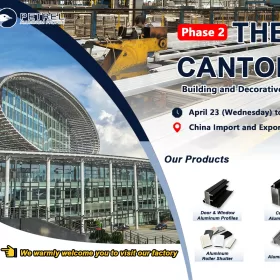
¡Bienvenidos a Visitar Nuestra Fábrica Durante la 137ª Feria de Cantón
La 137ª Feria de Importación y Exportación de China (Feria de Cantón) – Fase 2 (Materiales de Construcción y Decoración) Como fabricante con 20 años de experiencia en extrusión de aluminio, Petrel Aluminio invita cordialmente a todos los clientes internacionales que viajen a China por la Feria de Cantón a visitar nuestra fábrica durante el [...]
-
¡Bienvenidos a la 137ª Feria de Importación y Exportación de China (Feria de Cantón)!
📅 Fechas de la Exposición La 137ª Feria de Cantón está programada para abrir oficialmente el 15 de abril de 2025. 🏢 Exposición Presencial por Fases: 📦 Categorías de Exhibición

-
Petrel Aluminio lanza una nueva serie de colores anodizados para perfiles de aluminio
En la industria de puertas y ventanas arquitectónicas, los perfiles de aluminio no solo cumplen una función estructural, sino que también son un elemento clave de expresión estética. Para satisfacer la creciente demanda de acabados arquitectónicos refinados y diseños interiores de alta calidad, Petrel Aluminio ha perfeccionado su tecnología de anodizado y lanza con orgullo [...]
-
Perfiles de Aluminio con Recubrimiento en Polvo Gris Oscuro — Precisión y Flexibilidad en Cada Detalle
En Petrel Aluminio, mantenemos un compromiso constante con la innovación tecnológica y la mejora de la calidad. Nuestra fábrica ha puesto en marcha un nuevo proyecto: perfiles de aluminio con recubrimiento en polvo gris oscuro, producidos mediante una línea de recubrimiento en polvo horizontal equipada con pistolas automáticas suizas Gema, que garantizan un acabado eficiente, [...]
-
Serie de Perfiles de Aluminio Personalizados para el Mercado de Indonesia
Indonesia, como un claro representante del clima de selva tropical, experimenta altas temperaturas, humedad y lluvias intensas durante todo el año. Sumado a la fuerte radiación solar y al rápido desarrollo urbano, las puertas, ventanas, muros cortina y materiales de revestimiento exterior enfrentan grandes desafíos ambientales. En tales condiciones, elegir el perfil de aluminio adecuado [...]
-
Perfiles de Aluminio Personalizados para Puertas y Ventanas en Colombia
En la industria de la construcción, los sistemas de puertas y ventanas en diferentes países y regiones presentan preferencias de diseño y requisitos de rendimiento únicos. Para servir mejor a los clientes de América Latina, Petrel Aluminio ha lanzado un nuevo proyecto: una serie de perfiles de aluminio especialmente diseñados para el mercado colombiano. Table [...]