
Anodized Aluminum Profiles: The Ultimate Guide to Durability, Design, and Industrial Applications
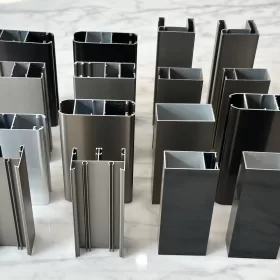
In the worlds of modern architecture, advanced manufacturing, and industrial design, few materials offer the versatility and resilience of anodized aluminum. When searching for perfil aluminio anodizado, industry professionals are typically looking for more than just a piece of metal; they are seeking a solution that combines structural integrity with a premium, long-lasting finish. Anodized aluminum profiles are the backbone of countless structures, from the sleek curtain walls of skyscrapers to the robust frames of solar panels and the precision rails of automated machinery.
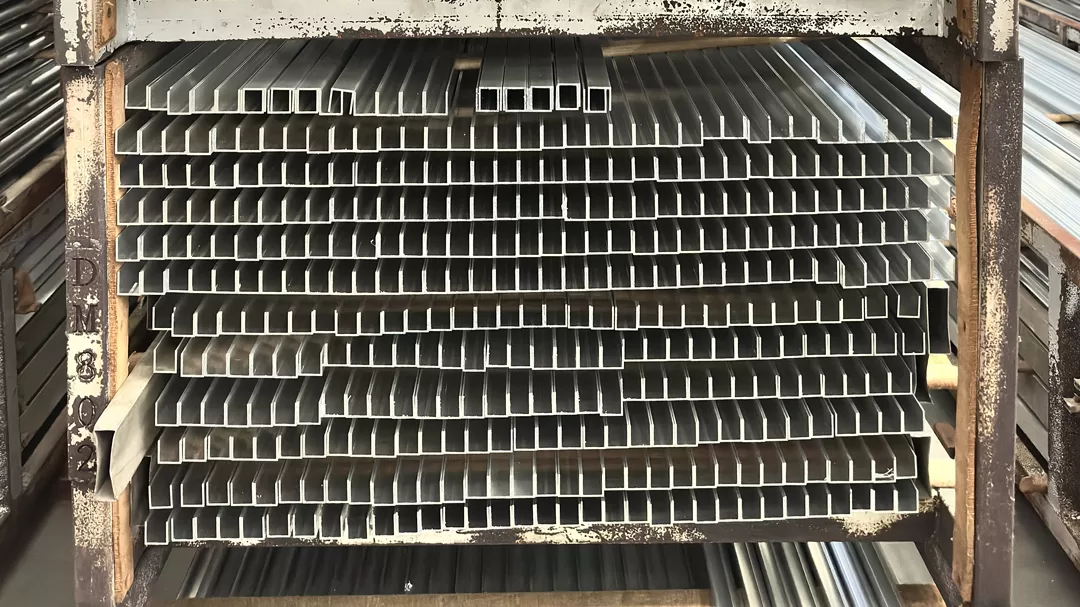
This comprehensive guide explores everything you need to know about anodized aluminum profiles. We will delve into the science behind the anodizing process, the distinct advantages it offers over other finishes, the diverse industries that rely on it, and the critical factors to consider when sourcing these materials for your next project.
Understanding the Anodizing Process: From Extrusion to Electrochemical Enhancement
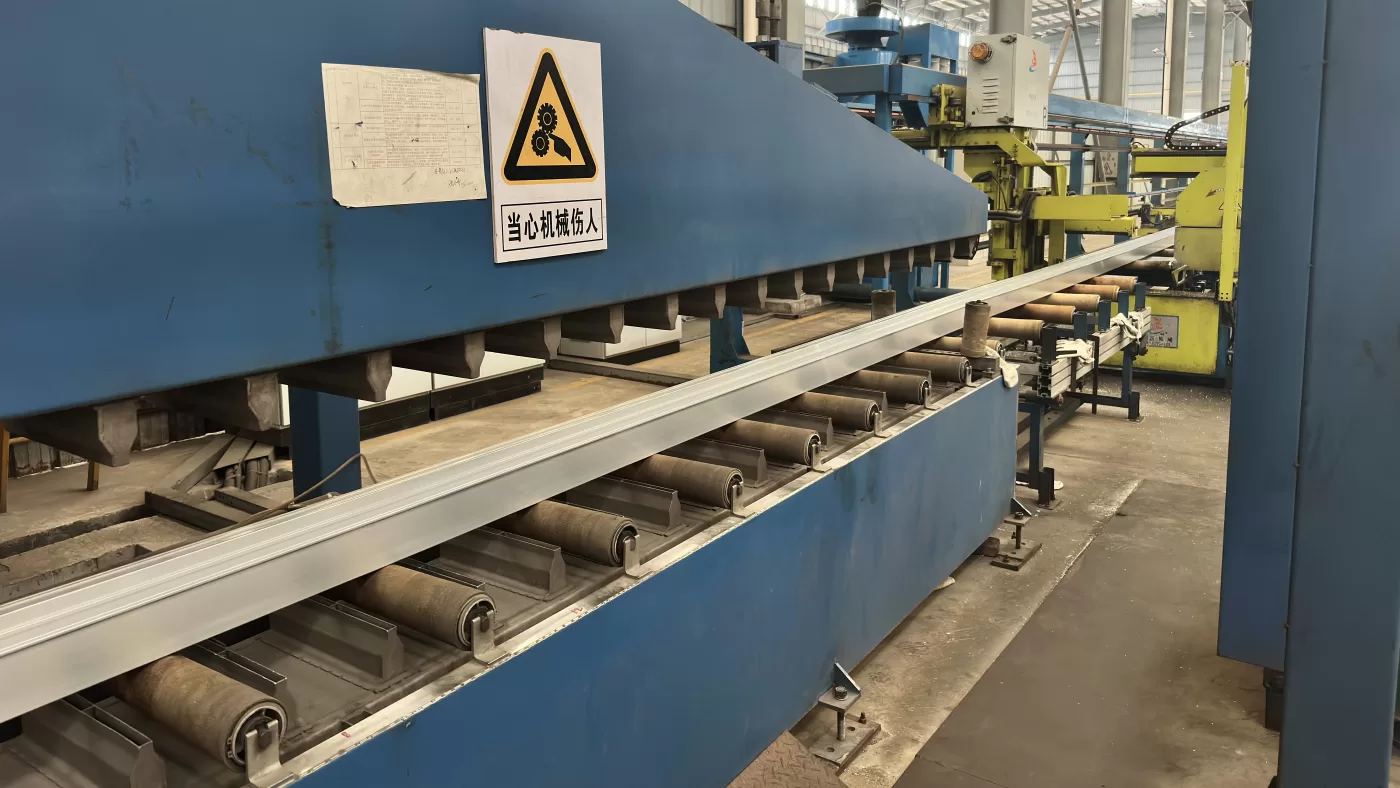
To truly appreciate the value of an anodized profile, one must first understand what happens to the raw aluminum. The journey begins with extrusion, where aluminum billets (often made from a blend of primary and post-consumer recycled content, such as 6060 or 6063 alloys) are heated and forced through a steel die to create a specific cross-sectional shape . However, the metal emerging from the press is raw and, while naturally forming a thin oxide layer, it is susceptible to wear and corrosion over time. This is where anodizing transforms the material from standard metal into a high-performance component.
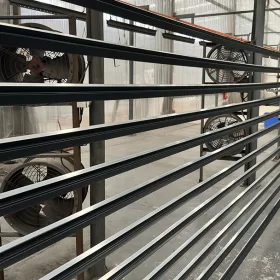
Anodizing is an electrochemical process that thickens the natural oxide layer on the surface of the aluminum. The profile is immersed in a series of chemical baths, including acid/alkali solutions for pretreatment to remove impurities and prepare the surface . It is then placed in an electrolyte bath (typically sulfuric acid), and an electrical current is passed through the solution. The aluminum profile serves as the anode (the positive electrode), hence the name "anodizing." This current causes oxygen ions to be released, which combine with the aluminum atoms at the surface of the profile to build up a layer of aluminum oxide (Al2O3) .
This isn't merely a coating that sits on top of the metal; it is an integral part of the aluminum. The oxide grows outward from the base metal, creating a surface that is incredibly hard and highly resistant to environmental factors. Depending on the application, the thickness of this layer can be precisely controlled, typically ranging from 5 to 25 microns for standard architectural or protective anodizing, and up to 100 microns or more for specialized "hardcoat" applications .
The Unmatched Performance Benefits of Anodized Finishes
Why choose an anodized profile over a raw extrusion or one finished with paint or powder coating? The answer lies in the unique physical and chemical properties imparted by the anodizing process. The benefits extend far beyond mere aesthetics, impacting the lifecycle, maintenance, and functionality of the final product.
First and foremost is exceptional durability and corrosion resistance. The anodic layer is chemically stable and will not peel or flake because it is actually a part of the underlying metal. This makes it particularly effective at preventing filiform corrosion, a common issue with painted surfaces where corrosion creeps under the coating . For projects in harsh environments—such as coastal regions with salt spray, industrial areas with pollutants, or even the chlorinated atmosphere around swimming pools—anodized profiles provide a shield that significantly extends the service life of the structure .
Furthermore, the hardness of the aluminum oxide layer provides superior abrasion and wear resistance. This makes anodized profiles ideal for functional surfaces that experience constant friction or contact, such as sliding machine parts, guide rails, and workstations . The surface is also chemically inert, meaning it won't react with many everyday substances, contributing to its longevity and making it a hygienic, easy-to-clean surface suitable for food processing or medical equipment applications .
Aesthetic Versatility: Color, Texture, and Lasting Beauty
While the performance benefits are often the primary driver for specification, the visual appeal of anodized aluminum is equally compelling. Unlike paints that sit on the surface, the anodized finish offers a unique depth and metallic luster that designers find highly desirable. The finish is also incredibly stable; because the color is integral to the oxide layer, it is highly resistant to UV rays and will not fade or chalk over time as some organic coatings can .
The aesthetic journey begins before the anodizing itself, with mechanical and chemical pre-treatments that determine the final texture. Profiles can be treated to achieve a variety of appearances, including matte, satin, polished, or shot-blasted finishes . A satin finish, for instance, is excellent for hiding minor surface imperfections and die lines, providing a uniform and elegant look.
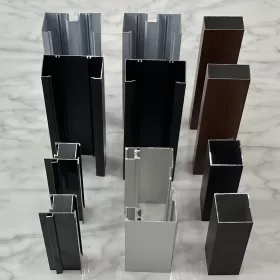
Following the anodizing process, the porous nature of the fresh oxide layer allows for the introduction of color through electrolytic coloring or organic dyeing. While natural silver remains the most classic and popular choice, a wide spectrum of colors is available. Bronze, champagne, black, and gold are standard architectural colors that convey a sense of permanence and quality . For more specialized applications, vibrant colors like blue, red, or green can be achieved, allowing for bold design statements or brand-specific color matching in consumer products and commercial interiors .
Critical Applications Across Industries
The combination of structural performance and aesthetic quality makes the perfil aluminio anodizado a material of choice across a remarkably diverse range of industries. Its adaptability means that whether the requirement is for a hidden structural component or a prominent decorative feature, anodized aluminum delivers.
In the building and construction industry, anodized profiles are ubiquitous. They form the frameworks for windows, doors, and curtain walls, providing the necessary strength to support glazing while resisting the elements for decades . Architects specify anodized finishes for storefronts, handrails, sunshades, and decorative cladding, relying on the material's promise of low maintenance and a high-end appearance throughout the building's life .
Beyond architecture, these profiles are essential in industrial and automation sectors. The modular nature of extruded aluminum, particularly T-slot profiles, allows for the construction of machine guards, workbenches, conveyor systems, and custom framing . The hard, wear-resistant surface of anodizing is perfect for these applications, ensuring that moving parts slide smoothly and that the structures remain stable and accurate over time.
Emerging technologies also heavily depend on anodized aluminum. The renewable energy sector, particularly solar power, utilizes anodized profiles for photovoltaic (PV) module frames and mounting structures . These frames must withstand decades of outdoor exposure without degrading, making the corrosion resistance of anodizing non-negotiable. Similarly, the automotive and transportation industries are increasingly using these profiles for lightweighting initiatives, including electric vehicle (EV) battery trays, roof rails, and interior trim, where strength, weight savings, and a premium feel are paramount .
Quality Standards and Specifications: What to Look For
When sourcing anodized aluminum profiles, quality is not uniform. The performance of the final product is heavily dependent on the quality of the alloy, the precision of the extrusion, and the control of the anodizing process. Reputable manufacturers adhere to strict international standards to ensure consistency and reliability.
One of the most critical specifications is the thickness of the anodic coating. For exterior architectural applications, a coating thickness of 25 microns is often the benchmark, with leading manufacturers offering warranties of 25 years or more against defects like peeling, fading, or staining when profiles are produced to this standard . The industry recognizes different classes of anodizing, such as Architectural Anodizing (Class I) , which guarantees a heavy coating thickness for maximum durability, versus Standard Anodizing (Class II) which might be suitable for interior applications .
Certifications serve as a shorthand for quality. Look for manufacturers who comply with or are certified by bodies like Qualanod, a global quality label for anodizers that ensures the plant and its processes meet the highest industry standards . Compliance with specific national or international standards, such as BS 3987 (the British standard for anodized finishes on aluminum for architectural purposes) or EN 15088 (European standard for aluminum construction products), provides further assurance that the profiles have been independently tested and verified .
Sustainability and Lifecycle: The Environmental Edge
In an era where environmental impact is a critical factor in material selection, anodized aluminum profiles offer significant advantages. Aluminum itself is infinitely recyclable without losing its properties, and the anodizing process does not compromise this recyclability. The oxide layer is simply removed during the re-melting process, or it integrates safely back into the alloy.
Many manufacturers are now emphasizing the use of recycled content in their billets. It is increasingly common to find profiles made with 75% or more post-consumer recycled aluminum, significantly reducing the carbon footprint associated with primary aluminum production . Furthermore, the extreme longevity and low maintenance requirements of anodized finishes mean that the material does not need to be replaced or refinished frequently, conserving resources over the long term . The durability inherent in the perfil aluminio anodizado aligns perfectly with the principles of sustainable design, creating structures and products that are built to last. Buyers are increasingly looking for Environmental Product Declarations (EPDs) that transparently document the lifecycle impact of the profiles they purchase .
How to Select the Right Profile for Your Project
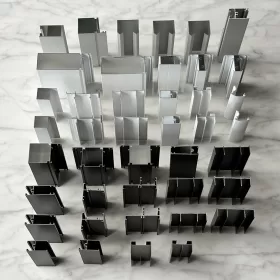
Navigating the world of aluminum extrusions can be complex, given the infinite variety of shapes and sizes available. Selecting the right perfil aluminio anodizado requires a clear understanding of your project's technical and aesthetic requirements.
Begin by considering the mechanical requirements. What load must the profile bear? Will it be used as a structural beam, a lightweight frame, or a decorative trim? The cross-sectional design—whether hollow, solid, or U-shaped—dictates its strength-to-weight ratio . For industrial framing, the slot size and series are critical. Profiles adhere to either national or European standards, and for accessories like connectors and T-nuts to fit, the series and slot dimensions must match precisely . If you are connecting different profiles, ensure they share the same standard system and slot width to guarantee compatibility.
Finally, define the aesthetic and protective finish. Specify the desired anodizing type (e.g., Type II decorative or Type III hardcoat) and the required thickness based on the environment . Provide color samples or reference standards for color matching, and decide on the surface texture—whether a standard mill finish, a consistent satin, or a high-polish look. Working closely with the supplier during the design phase can prevent mismatches and ensure that the final anodized product performs exactly as intended.
Future Trends in the Anodized Aluminum Market
The market for anodized aluminum profiles is poised for significant growth, driven by global megatrends in urbanization, technology, and sustainability. Analysts project the market to grow at a compound annual growth rate (CAGR) of over 7% through the early 2030s, reaching a valuation of several billion dollars . This expansion is fueled by the booming construction sectors in Asia-Pacific and the increasing demand for lightweight materials in automotive and EV manufacturing.
Technological innovation continues to refine the anodizing process. Advances in alloy development allow for more consistent and brighter finishes, while improvements in process control lead to better energy efficiency and reduced chemical waste . We are also seeing the rise of "smart" surface treatments and nano-structured coatings that could offer self-cleaning or enhanced thermal properties, opening up new possibilities in high-tech applications .
As the world moves toward a circular economy, the demand for low-carbon, certified sustainable aluminum will only intensify. The ability of anodized profiles to combine performance, aesthetics, and complete recyclability positions them perfectly to meet the challenges of the future. Whether for a high-rise building, a factory automation system, or the next generation of clean energy infrastructure, the anodized aluminum profile remains an indispensable, high-performance solution.
Frequently Asked Questions (FAQs)
What is the difference between anodized and powder-coated aluminum?
Anodizing is an electrochemical process that builds a protective oxide layer from the aluminum itself, making it integral to the metal and resistant to peeling or chipping. Powder coating is a surface application of a dry paint layer. While both offer corrosion resistance, anodizing provides superior hardness and a metallic look, whereas powder coating offers a wider variety of textures and is generally better at hiding surface imperfections.
How long does an anodized finish last?
High-quality architectural anodizing (typically 25 microns) is extremely durable. Leading manufacturers offer warranties of 25 years or more against significant wear, fading, or staining. In practice, anodized finishes on buildings and structures can last for decades with minimal maintenance, simply requiring occasional cleaning with water and mild soap .
Can anodized aluminum be welded?
Yes, but it requires specific procedures. The anodized layer must be ground away from the weld area before welding, as the oxide layer has a much higher melting point than the aluminum base metal and can cause weld defects. After welding, the area can be re-anodized, though it may be difficult to achieve an exact color match with the original profile.
Is anodized aluminum expensive?
While the anodizing process adds a cost compared to raw, untreated extrusions, it is generally very cost-competitive with other high-quality finishing methods. When considering the total lifecycle cost—including maintenance, cleaning, and replacement—anodized aluminum is often the most economical choice due to its exceptional durability and longevity .
What colors are available for anodized profiles?
The most common colors are natural silver, bronze (ranging from light to dark), champagne, and black. These are produced through electrolytic coloring. For specialized applications, organic dyes can be used to create a broader spectrum, including red, blue, gold, and green .
- Conocimiento del sector
- Información de la feria
- Información del producto
-

Anodized Aluminum Profiles: The Ultimate Guide to Durability, Design, and Industrial Applications
In the worlds of modern architecture, advanced manufacturing, and industrial design, few materials offer the versatility and resilience of anodized aluminum. When searching for perfil aluminio anodizado, industry professionals are typically looking for more than just a piece of metal; they are seeking a solution that combines structural integrity with a premium, long-lasting finish. Anodized aluminum [...]
-
Beyond the Finish: Why Anodized Aluminum Profiles Dominate Modern Architecture and Industry
Walk through any modern city center, and you are walking through a gallery of anodized aluminum. The shimmering curtain walls, the sleek storefronts, the durable handrails that show no sign of wear despite years of use—these are the signatures of a material that has been transformed, not just coated. For architects, engineers, and manufacturers, the [...]
-
The Definitive Guide to Anodized Aluminium Profiles: Properties, Applications, and Market Insights 2026
In the worlds of modern architecture, industrial automation, and high-end product design, few materials strike the perfect balance between form and function like the perfil aluminio anodizado (anodized aluminium profile). While standard aluminium offers a lightweight and strong foundation, the anodizing process transforms it into a premium product with unmatched durability and aesthetic longevity. If you are [...]
-
The Ultimate Guide to Anodized Aluminum Profiles: Durability, Trends, and Selection in 2026
In the world of modern construction and industrial design, few materials offer the versatility of anodized aluminum profiles. As we move through 2026, the demand for perfil aluminio anodizado continues to surge, driven by a global push for sustainable materials and high-performance facades. But what exactly makes this material the backbone of skyscrapers and electric vehicles alike? [...]



-
Faltan solo 2 días para la apertura de GLASSTECH México 2025
Petrel Aluminio llegará al recinto ferial con sus productos más recientes, y los invita cordialmente a visitar nuestro stand para conocer a fondo nuestras últimas soluciones en perfiles de aluminio para arquitectura e industria. Dirección del evento: Centro Citibanamex, Hall A, CDMXFecha del evento: 16 – 18 de julio de 2025 Ventajas de Petrel Aluminio [...]
-
Glasstech México 2025 Se Acerca!!!
Hoy es 25 de junio de 2025 — ¡faltan solo 21 días para la inauguración de Glasstech México 2025! Petrel Aluminio presentará nuestras últimas soluciones personalizadas en perfiles de aluminio en este destacado evento de la industria.¡Esperamos verte en la feria! ¿Por qué elegir a Petrel Aluminio? ¿Quieres saber más sobre nuestros productos y servicios?Visita [...]
-
¡Bienvenidos a Visitar Nuestra Fábrica Durante la 137ª Feria de Cantón
La 137ª Feria de Importación y Exportación de China (Feria de Cantón) – Fase 2 (Materiales de Construcción y Decoración) Como fabricante con 20 años de experiencia en extrusión de aluminio, Petrel Aluminio invita cordialmente a todos los clientes internacionales que viajen a China por la Feria de Cantón a visitar nuestra fábrica durante el [...]
-
¡Bienvenidos a la 137ª Feria de Importación y Exportación de China (Feria de Cantón)!
📅 Fechas de la Exposición La 137ª Feria de Cantón está programada para abrir oficialmente el 15 de abril de 2025. 🏢 Exposición Presencial por Fases: 📦 Categorías de Exhibición

-
Petrel Aluminio lanza una nueva serie de colores anodizados para perfiles de aluminio
En la industria de puertas y ventanas arquitectónicas, los perfiles de aluminio no solo cumplen una función estructural, sino que también son un elemento clave de expresión estética. Para satisfacer la creciente demanda de acabados arquitectónicos refinados y diseños interiores de alta calidad, Petrel Aluminio ha perfeccionado su tecnología de anodizado y lanza con orgullo [...]
-
Perfiles de Aluminio con Recubrimiento en Polvo Gris Oscuro — Precisión y Flexibilidad en Cada Detalle
En Petrel Aluminio, mantenemos un compromiso constante con la innovación tecnológica y la mejora de la calidad. Nuestra fábrica ha puesto en marcha un nuevo proyecto: perfiles de aluminio con recubrimiento en polvo gris oscuro, producidos mediante una línea de recubrimiento en polvo horizontal equipada con pistolas automáticas suizas Gema, que garantizan un acabado eficiente, [...]
-
Serie de Perfiles de Aluminio Personalizados para el Mercado de Indonesia
Indonesia, como un claro representante del clima de selva tropical, experimenta altas temperaturas, humedad y lluvias intensas durante todo el año. Sumado a la fuerte radiación solar y al rápido desarrollo urbano, las puertas, ventanas, muros cortina y materiales de revestimiento exterior enfrentan grandes desafíos ambientales. En tales condiciones, elegir el perfil de aluminio adecuado [...]
-
Perfiles de Aluminio Personalizados para Puertas y Ventanas en Colombia
En la industria de la construcción, los sistemas de puertas y ventanas en diferentes países y regiones presentan preferencias de diseño y requisitos de rendimiento únicos. Para servir mejor a los clientes de América Latina, Petrel Aluminio ha lanzado un nuevo proyecto: una serie de perfiles de aluminio especialmente diseñados para el mercado colombiano. Table [...]